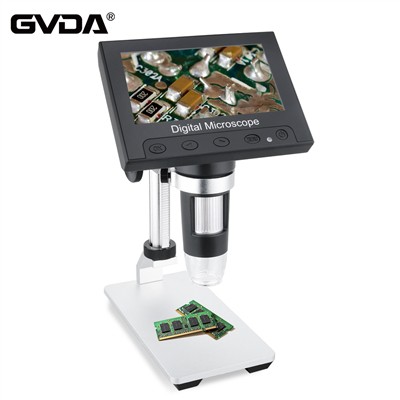
Digitaalsed instrumendid on kõrge tundlikkus ja täpsus, ja nende rakendused on peaaegu universaalne kõigis ettevõtetes. kuid, ting to the multifactorial nature of its faults and the high randomness of encountering problems, there are not many rules to follow, making repair difficult. Seega, I have kompileeritud mõned of the repair experience I on kogunenud läbi aastad praktiline töö viide poolt kolleegid in this field. mahtuvuslik pinge jagaja kõrgepinge mõõtmine süsteem on sobiv mõõtmiseks impulss kõrge pinge , välk kõrge pinge , ja võimsus sagedus kõrge pinge , ja on an alternatiiv kõrgepinge staatiline pinge meetrid.
Repair meetod:
Leidmine vead peaks alustama alates väljast ja siis alates sees, alates lihtne to raske, murdma nendeks osadeks, ja fookus läbimurreteks. The methods can be ligikaudselt jagatud sisse järgmine:
1. Sensory method
By relying on the senses to direct determine the cause of the fault, through visual inspection, it can found that such as wire breakage, desoldering, short circuit to grounding, broken fuse tubes, burnt components, mechanical damage, copper foolium warping and breakage on printed circuits, etc; You can touch the temperature rise of the battery, takisti, transistor, and integrated block, and viidake ahel diagramm et tuvastada põhjus põhjus ebanormaalne temperatuur tõus. in lisamine, saate ka kontrollida käsi kas the komponendid on lahti, kas integreeritud vooluring tihvtid on turvaliselt sisestatud, ja kas ülekanne lüliti on kinni; saab kuulda ja lõhnas suvaline ebanormaalne helid või lõhnad.
2. The voltage measurement method measures kas the working voltage of each key point is normal, mis saab kiiresti tuvastada the fault point. For example, mõõtmine the working voltage and reference voltage of the A/D converter.
3. Lühis meetod on üldiselt kasutatav in the inspection of A/D converters mainitud varasem, mis on rohkem tavaliselt kasutatakse in remont nõrk ja mikro elektrilised instrumendid.
4. The circuit breaker method disconnects the suspicious part from the whole machine or unit circuit. If the fault kaob, it näitab et the fault is in the disconnected circuit. See meetod on peamiselt sobiv olukordades kus seal on a lühis vooluring in the circuit.
5. Millal süü on kitsenenud alla to a kindel asukoht või mitu komponent, võrgus või võrguühenduseta mõõtmine saab olla teostatud. Kui vajalik, asenda koos hea komponendid. Kui süü kaob, see näitab et komponent on kahjustatud.
6. Interferents meetod kasutab inimene indutseeritud pinge as interferents signaal to vaade the changes in LCD display, common used to check kas sisend vooluring ja display part on terved.
Repair tehnika:
Sest a vigane instrument, the first step is to check and distinguish kas the fault phenomenon is common (all functions canto be measured) or individual (individual functions or ranges), and then distinguish the situation and solve the problem vastavalt.
(1) pööre vahemik mõõdetud meeter kuni madal DC pinge vahemik;
(2) Measure whether the working voltage of the A/D converter is normal. According to the A/D converter model used in the table, corresponding to the V plus pin and COM pin, do the measured values match their typical values.
(3) The reference voltage for measuring A/D converters is generally 100mV or 1V for commonly used digital multimeter, which means measuring the DC voltage between VREF plus and COM. If it deviates from 100mV or 1V, it can be adjusted through an external potentiometer.
(4) Check the display number with zero input, short circuit the positive terminal IN plus and negative terminal IN - of the A/D converter, so that the input voltage Vin=0, and the instrument displays "00.0" or "00.00".
(5) Check the full bright strokes on the monitor. Short circuit the test pin at the testing end to the positive power supply terminal V plus , so that the logic ground becomes high potential and all digital circuits stop working. Due to the DC voltage applied to each stroke, the alignment meter displays "1888" and the alignment meter displays "18888" when all strokes are lit. If there is a lack of stroke, check the corresponding output pin of the A/D converter and the conductive liim (või juhtmestik), as well as kas seal on poor kontakt või disconnect between the A/D converter and the display.
2. If there is a problem with individual gears, it näitab et the A/D converter and power supply are working korralikult. Sest DC voltage and resistance range share a set of voltage divider takistid; AC and DC current sharing shunt; AC voltage and AC current share a set of AC/DC converters; Other components such as Cx, HFE, F, etc. are composed of independent different converters. Mõistmine the relationship between them and based on the power diagram, it is easy to locate the faulty part. if the measurement of small signals is not täpne or the displayed number jumps excessively, the focus should on on checking kas the contact of the range switch is hea.
If the measurement data is unstable and the value always accumulates, and the input terminal of the A/D converter is short circuited, and the displayed data is not zero, then it is generally 0.1 μ Caused by poor performance of F's reference capacitor.